


How to use an air purifier for maximum efficiency
Clean air at home is not a luxury, but the foundation for well-being, a strong immune system, and a peaceful sleep. However, simply purchasing a climate control device does not guarantee an ideal microclimate. It is extremely crucial to understand how to properly operate, maintain, and integrate it into your daily routine so that this complex technology works at maximum capacity and the air genuinely changes for the better, protecting everyone's health.
Why an Air Purifier Has Become a Necessity in Modern Housing
Modern cities dictate their own rules: exhaust fumes, industrial emissions, dust, plant pollen, and construction micro-particles enter homes through windows or on our clothing. Even during regular wet cleaning, invisible-to-the-eye pollutants remain in the air we breathe every second.
This issue becomes especially acute during the heating season, when radiators dry out the air and circulation in closed rooms slows down. An purifier acts like artificial lungs: it draws in polluted flows, passes them through a multi-level filtration system, and returns a safe, fresh environment back into the room. This reduces the burden on the respiratory system, makes life easier for people with allergies, and creates a comfortable atmosphere for relaxation.
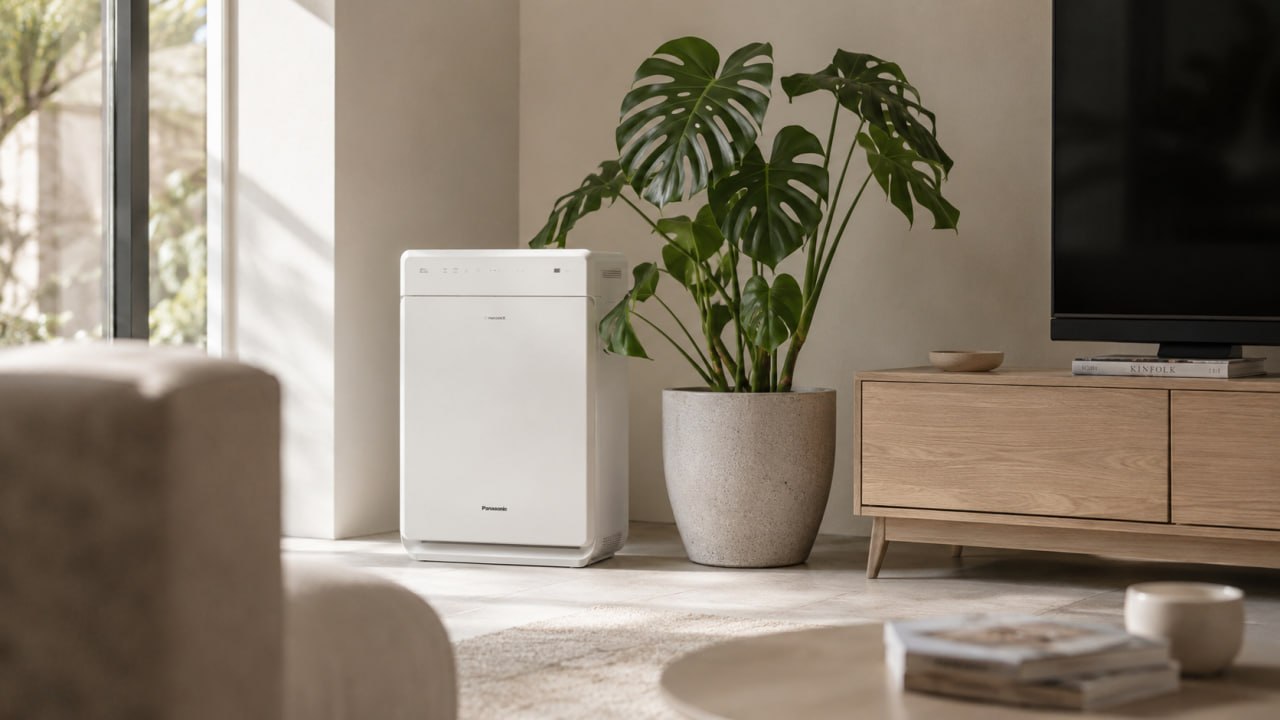
Should You Turn Off the Device: Why Continuous Operation Matters
Many of us out of habit turn off climate control appliances at night or when leaving for work, trying to save energy. But modern devices consume minimal resources and are designed for round-the-clock operation. Constant functioning in auto mode 24/7 maintains a stable clean environment: as soon as the device is turned off, dust and allergens fill the space once again.
Round-the-clock operation of the purifier guarantees a sound sleep without strain on the respiratory tract and easy awakening in the morning. A purified environment minimizes allergic reactions and irritations, reliably protecting the immunity of children and the elderly.
Main Rules and Mistakes When Placing the Device in a Room
Even the most expensive and powerful model will not help if it is placed haphazardly. Air circulation obeys the laws of physics, so it is important to consider a few basic nuances:
Leave space around it: avoid blind corners, spaces squeezed between furniture, or heavy curtains. The device needs free access to air, so it is advisable to leave at least 30–50 centimeters from the walls to the casing.
Choose the right rooms: It is best to install the purifier where you spend the most time—in the bedroom or living room, closer to the center of the room or along the path of main airflows.
Close windows during operation: The main trap people often fall into is running the device with windows wide open. In this case, the appliance will vainly try to clean the entire street instead of your room, which will very quickly put new filters out of commission. Ventilate the room while the device is turned off, and start it running only after the windows are closed.
Use auxiliary circulation: Operating a regular household or ceiling fan at minimum speeds helps quickly direct distant air masses toward the device's air intake.
Remember technical limitations
Control humidity: humidity levels above 60% in tandem with a humidifier can provoke mold growth inside the device itself—monitor your hygrometer readings.
Turn off during remodeling: construction dust and drywall crumbs can clog the pores of the HEPA filter in a matter of hours, rendering it completely useless.
How to Calculate Device Power: Why the CADR Indicator Matters
When choosing an purifier, many people rely solely on the total room area indicated on the box. However, professional engineers always advise checking the CADR (Clean Air Delivery Rate) indicator and considering the air change rate (ACH).
For full air purification in a residential room, the device must pass the entire volume of air in the room through itself at least 4 times per hour (meaning the ACH indicator should equal 4). If you have allergy sufferers at home, pets, or someone in the family smokes, this indicator is best increased. In addition, if you are purchasing a device for a spacious studio or an open-plan kitchen-living room, always choose a model with a 20–30% power reserve, as the presence of cooking zones and open passageways significantly increases the load on the filtration system.
.jpg)
How to Choose the Optimal Mode for Daily Use
Modern devices offer several operating modes, and each is designed for specific life situations. To get the maximum benefit from the appliance without extra effort, it is worth understanding when to switch on which mode:
Auto Mode (your main everyday assistant): the most convenient choice for continuous use. Built-in smart sensors monitor the microclimate themselves, instantly reacting to the appearance of foreign odors or dust and adjusting the fan rotation speed.
Night Mode (for a sweet and peaceful sleep): created specifically not to disturb you at night. The fan rotates at minimum speeds, reducing noise levels to a barely audible whisper, and the indicator lights on the panel are dimmed to avoid creating unnecessary light discomfort in a dark bedroom.
Turbo Mode or Maximum Speed (for emergency situations): comes in handy if you have just done deep cleaning, dusted furniture, are actively cooking a dish with a sharp aroma, or a lot of pollen has entered the room. The mode quickly pushes large volumes of air through the filters, after which the device can be switched back to auto mode.
Seasonal Operation Features and Microclimate Changes
Cleaning efficiency directly depends on the season outside the window. Operating conditions in summer and winter differ significantly:
In the spring-summer period, due to active plant flowering, fluff, and a large amount of outdoor dust, set the fan rotation speed to higher levels or check the condition of the pre-filtration mesh more frequently.
In the autumn-winter period, under conditions of closed windows and heating, the burden shifts to combating dryness, volatile compounds from furniture, and micro-particles of dust settling from dry air.
.jpg)
Unobvious User Mistakes That Shorten Device Lifespan
Even with regular filter replacement, hidden mistakes can be made that break the equipment:
Using air fresheners and essential oils: Some users try to pour essential oil directly onto the carbon filter or near the air intake. Oil droplets settle on the microfibers of the HEPA filter, glue them together, and tightly clog the structure, after which the device loses its ability to pass air.
Aggressive household chemicals: Spraying strong detergents, chlorine, or carpet cleaners in close proximity to a running purifier causes chemical vapors to instantly clog the adsorption layer of the carbon block.
Ignoring sensor cleaning: If you notice that auto mode has stopped reacting to smoke or dust, optical or laser air quality sensors are most likely just covered with a layer of dust.
Maintenance Schedule: When and How to Change Consumables
An Investment in Your Family's Comfort and Health
Proper operation of climate control technology is not difficult at all. Just a few simple habits regarding placement, regular maintenance, and mode selection will ensure that your purifier serves you faithfully for years to come. Ultimately, caring for clean air at home is the best and most important investment in everyday energy, health, and good mood.
A mindful approach to your home microclimate turns an ordinary living room into a true oasis of comfort, where every breath brings vigor rather than hidden fatigue. When equipment works flawlessly, invisible irritants that have exhausted the body for years disappear, concentration improves while working from home, and prerequisites for seasonal ailments vanish. By creating a safe space today, you lay a reliable foundation for longevity, harmony, and peace of mind for all family members for years to come.